About Us
Odyssey Beyond Bars
Why We Teach in Prison
After tripling in the 1990s, Wisconsin’s prison population remains persistently high, and our rates of incarceration for African-American and Native American men are among the worst in the nation.
Mass incarceration is fed by a cycle of reincarceration, in which people return to prison shortly after being released. About 8,000 people leave Wisconsin prisons annually, and roughly 40% of these men and women return to prison within three years, often because they are unprepared to succeed.
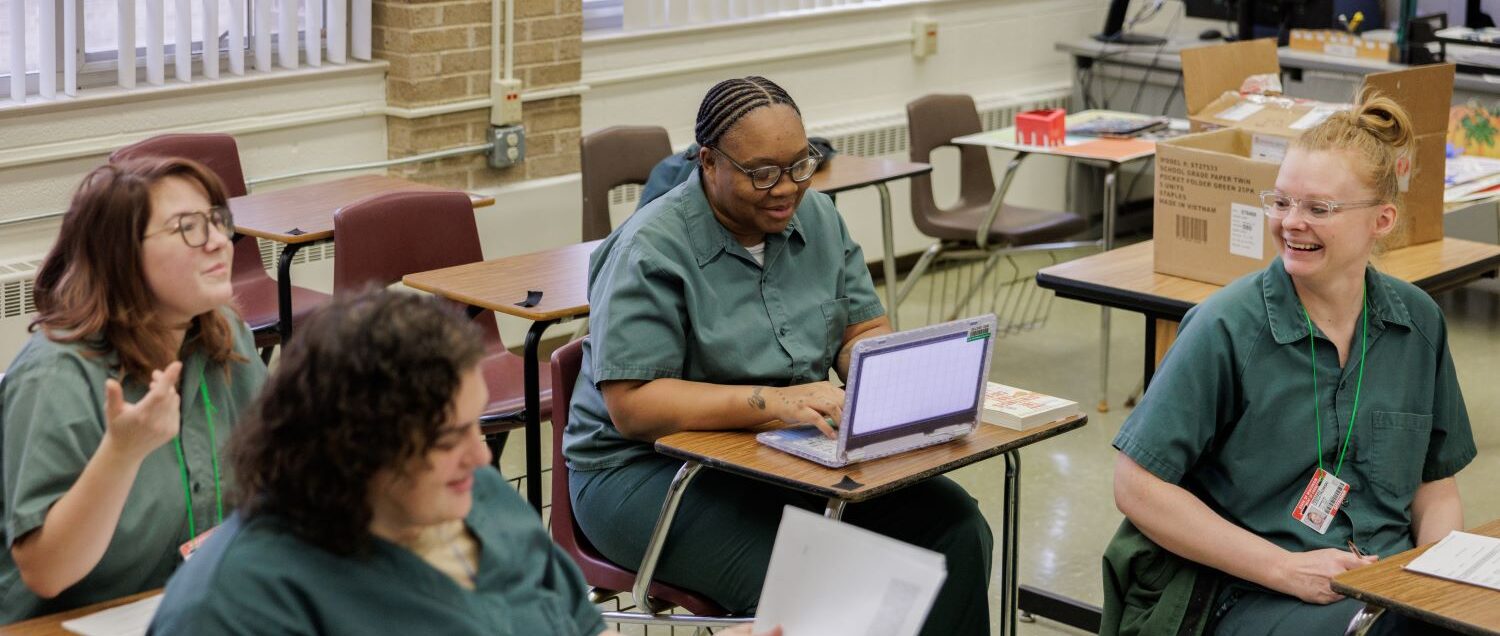
Higher education in prison helps break the cycle of reincarceration. Our program helps students develop skills to support their success in academics, employment and re-entry into their families and neighborhoods.
Prison education is worth the investment. Every dollar spent on prison education programs saves taxpayers four to five dollars in reincarceration costs, because returning citizens who take classes while incarcerated are about 40% less likely to return to prison after they get out. Returning citizens who are fulfilled and productive are better able to provide for their families and contribute to their communities.
Jumpstarting a Journey to a College Degree
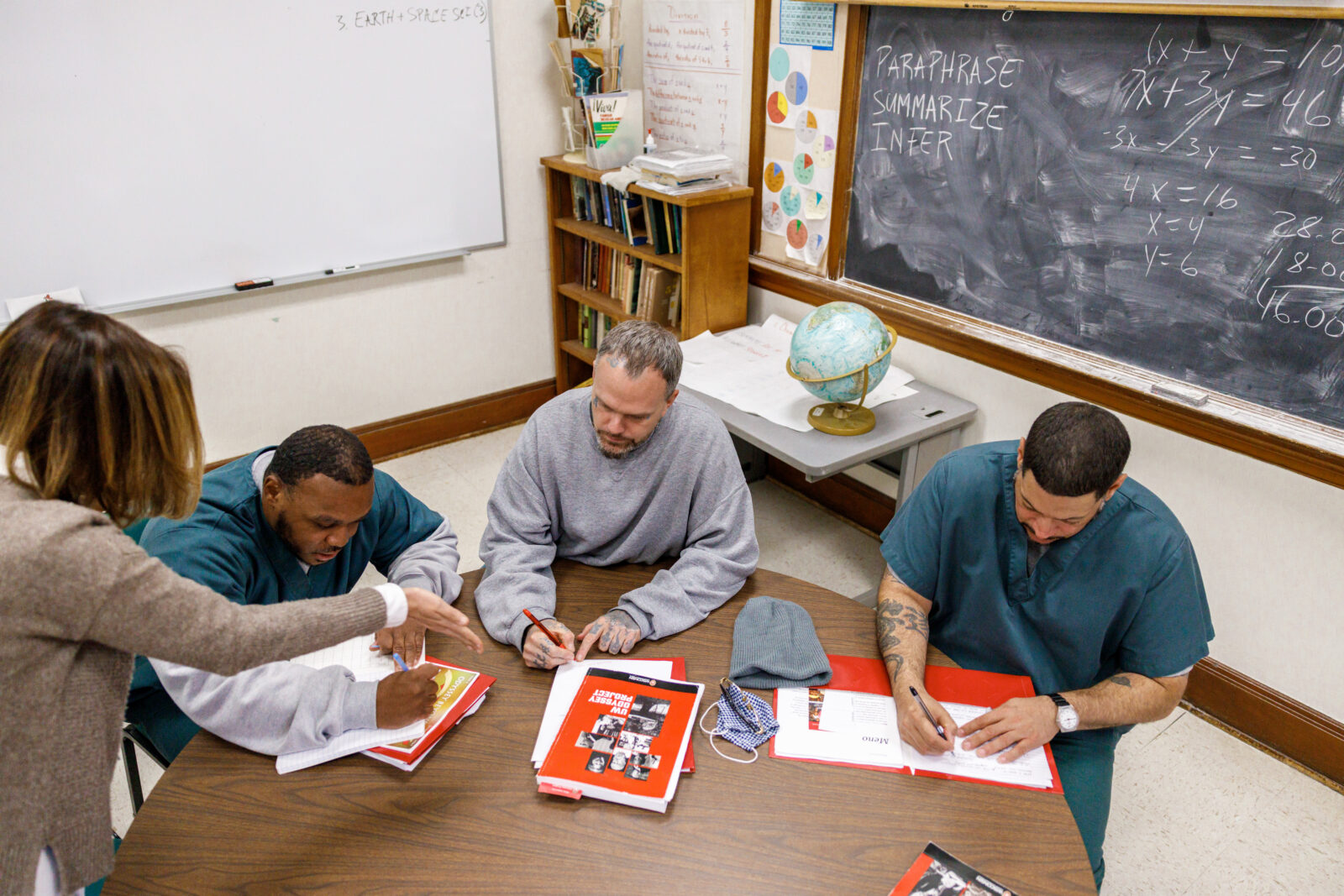
We offer college jumpstart courses to students in prison who are interested in college but not yet enrolled in a degree program. Our core offering is English 100, Introduction to College Composition. The three UW–Madison credits that students earn through English 100 satisfy general education requirements at Wisconsin’s technical colleges and other UW campuses under the Universal Credit Transfer Agreement. About 50 students have completed one of our credit-bearing courses, and hundreds more have completed one of our noncredit courses.
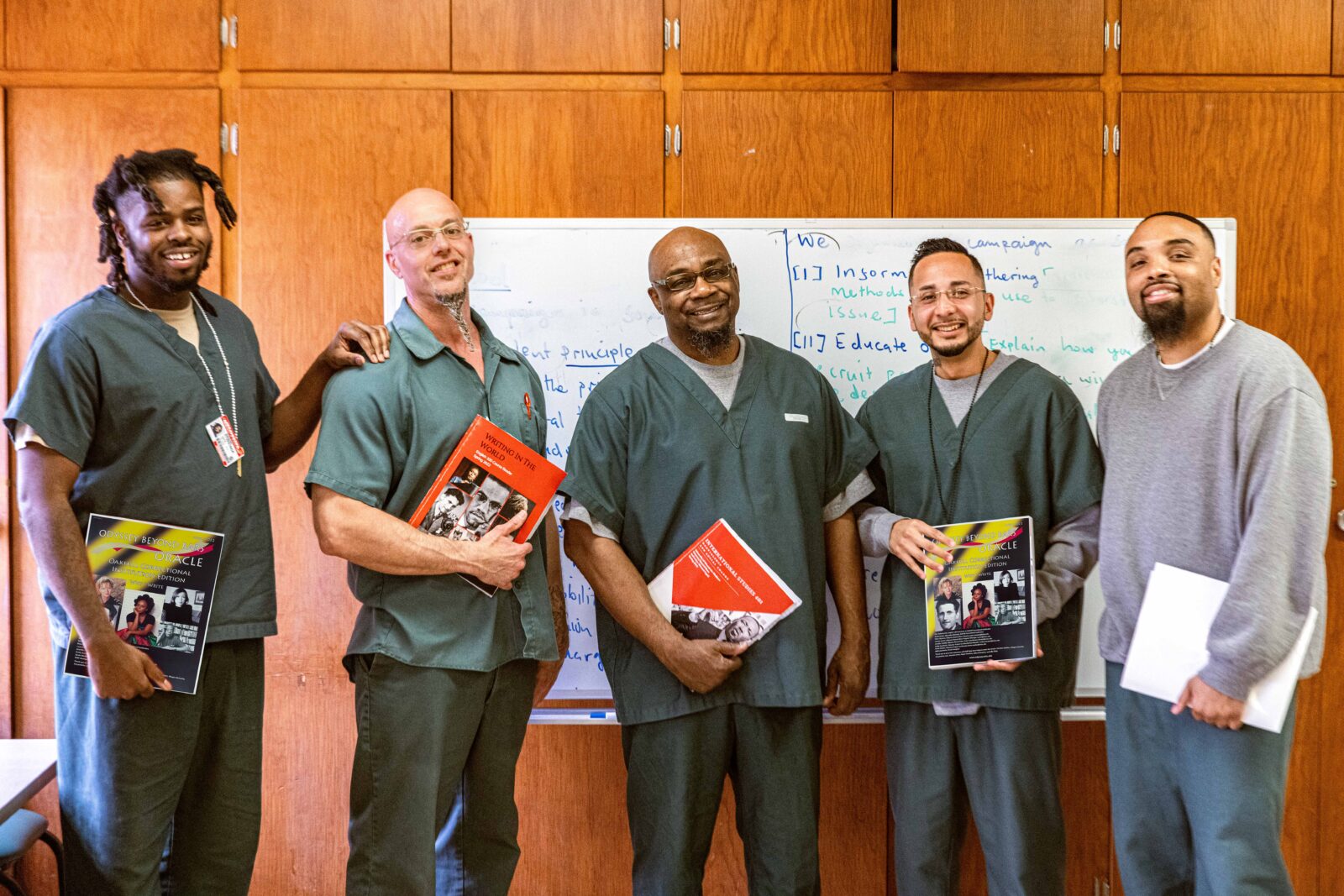
Our courses are proving effective as a college jumpstart. Virtually all of our students to date have stated that their experience in Odyssey Beyond Bars has made them want to take more college classes, and many OBB alumni have gone on to enroll in college degree programs.
A Note on Language Use
Odyssey Beyond Bars uses person-first language that aligns with the language policy of the Alliance for Higher Education in Prison.
Visit the Alliance for Higher Education in Prison to learn more.
In general, we refer to our students and prospective students as students or people in prison. We avoid terms like inmate, offender, convict and felon because these terms are stigmatizing and dehumanizing to students who are trying hard to overcome the stigma of incarceration and transform their lives. In choosing this language, we do not intend to diminish the gravity or impact of the crimes for which our students were convicted. We simply acknowledge our students as human beings and lifelong learners.